Alea iacta est
Stanisław Dróżdż
Title
Alea iacta est
Dating
2003
Description
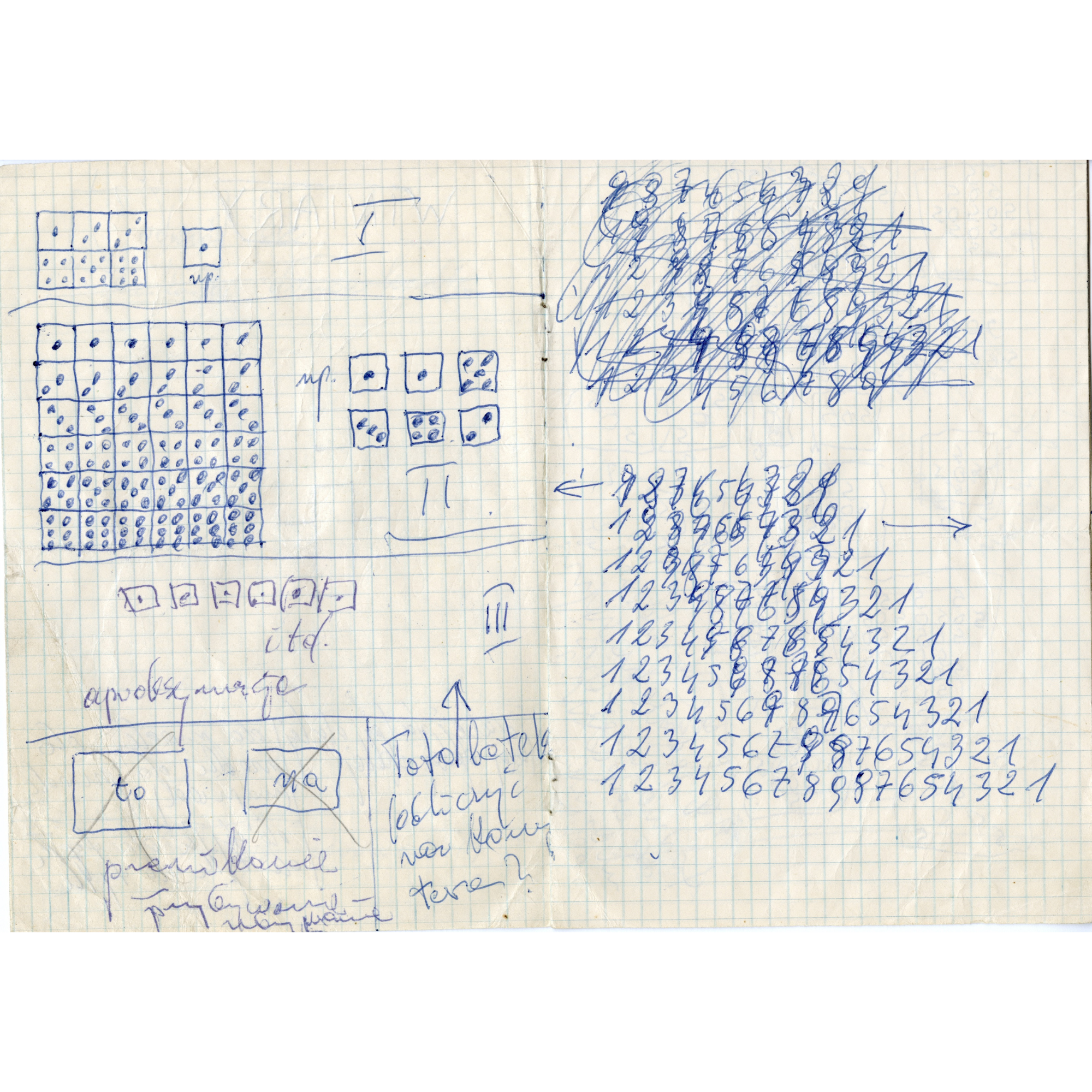
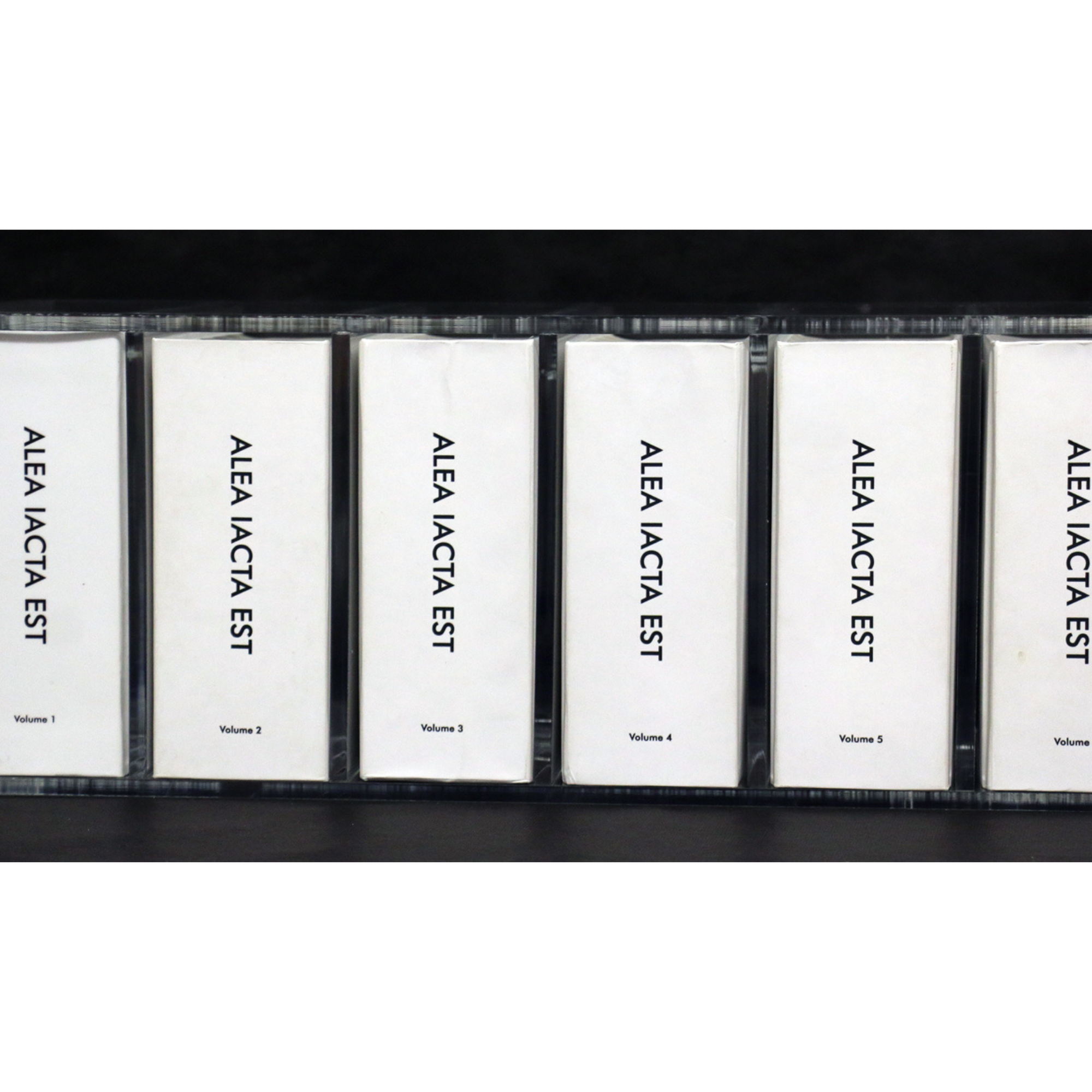
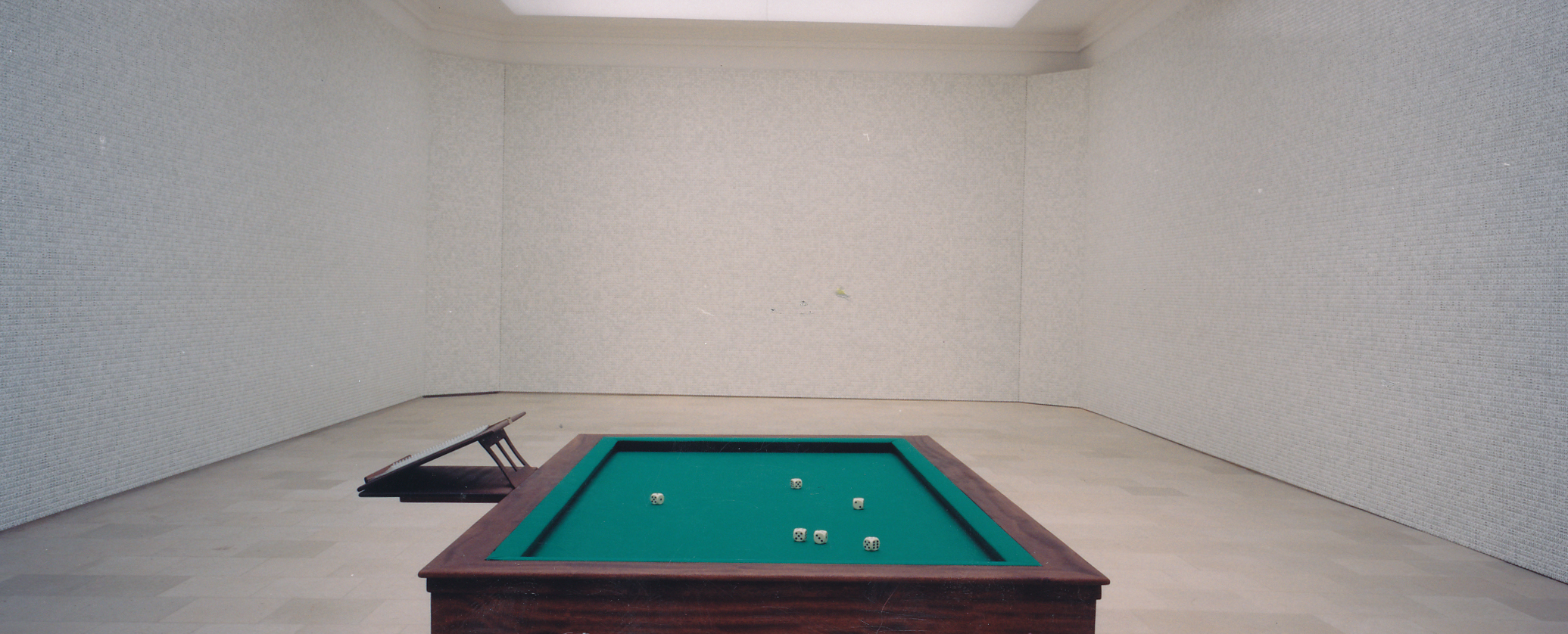
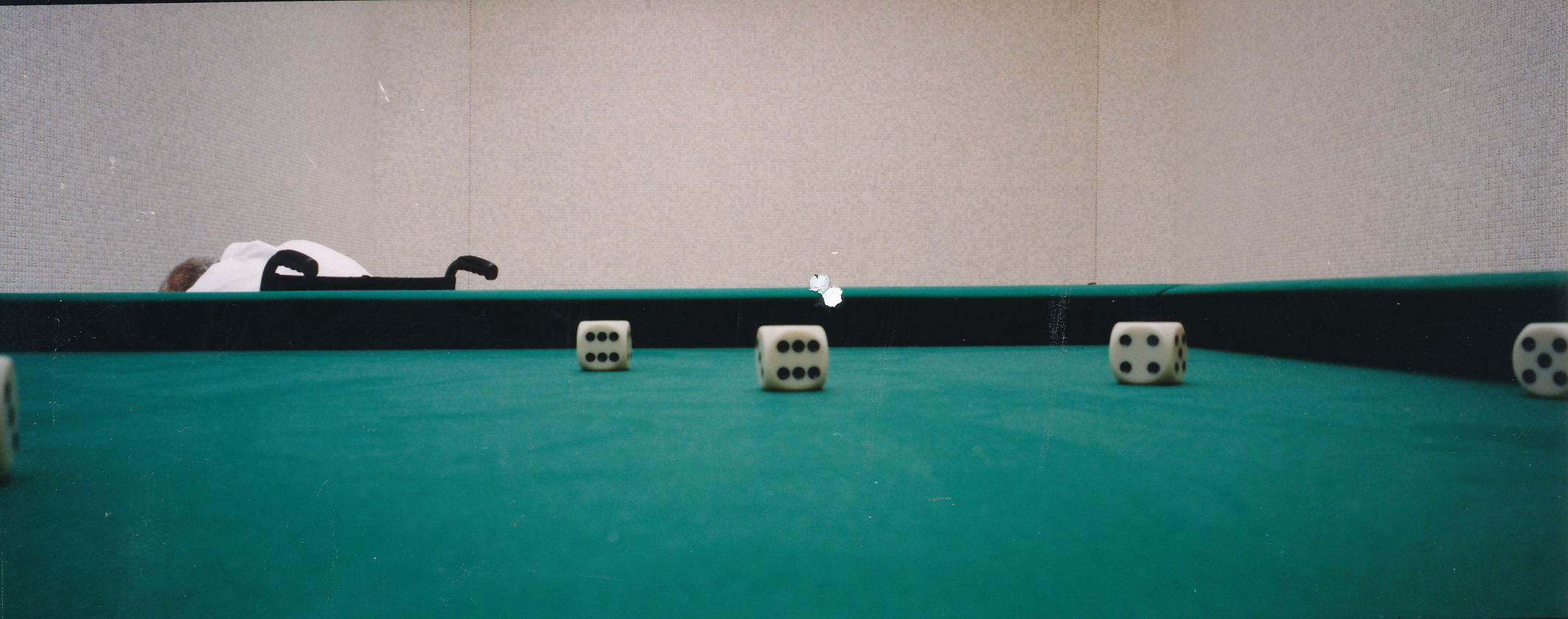
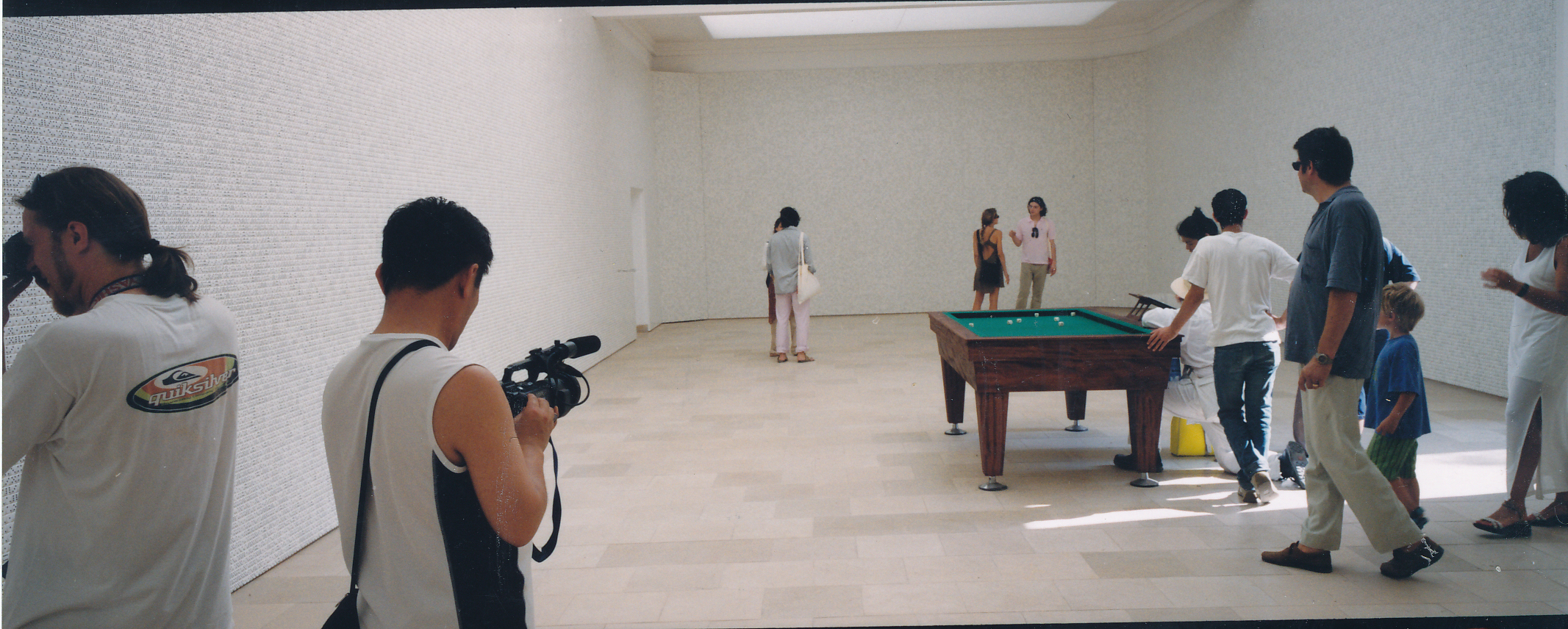
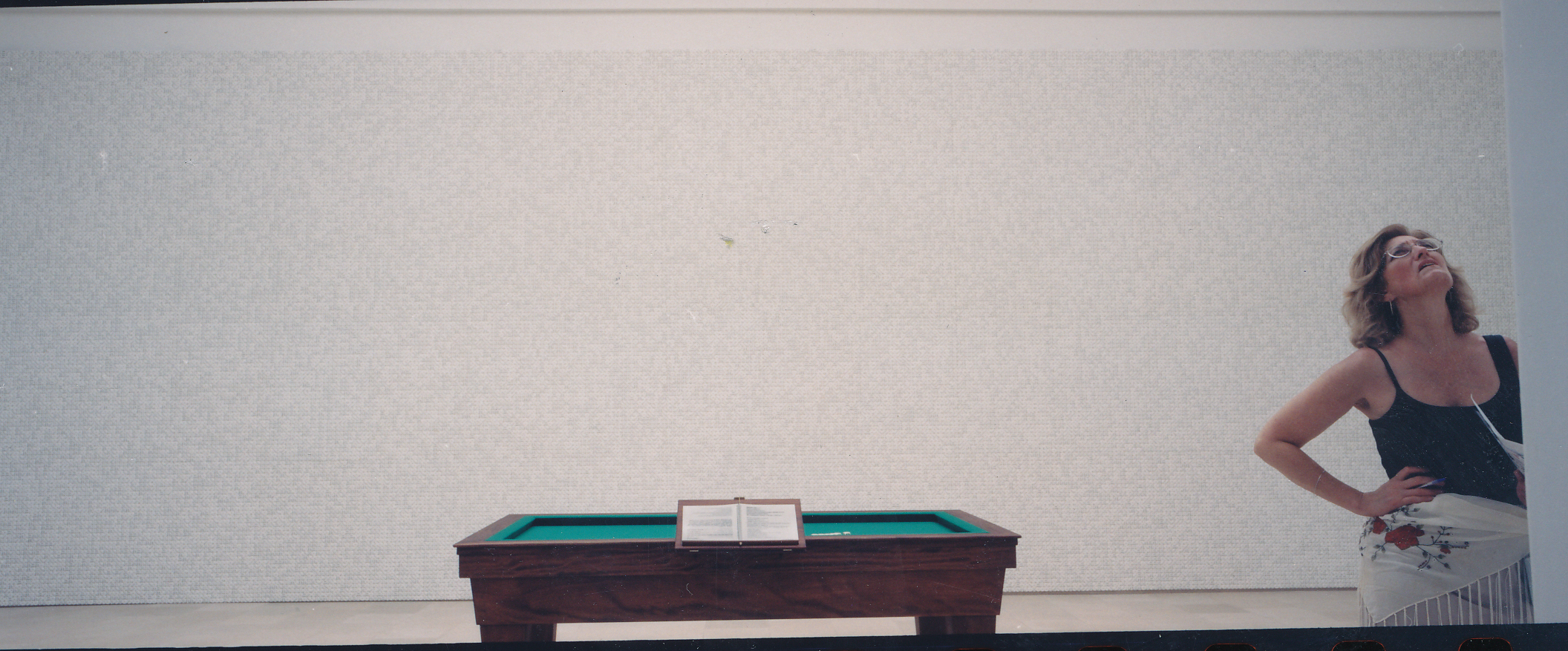
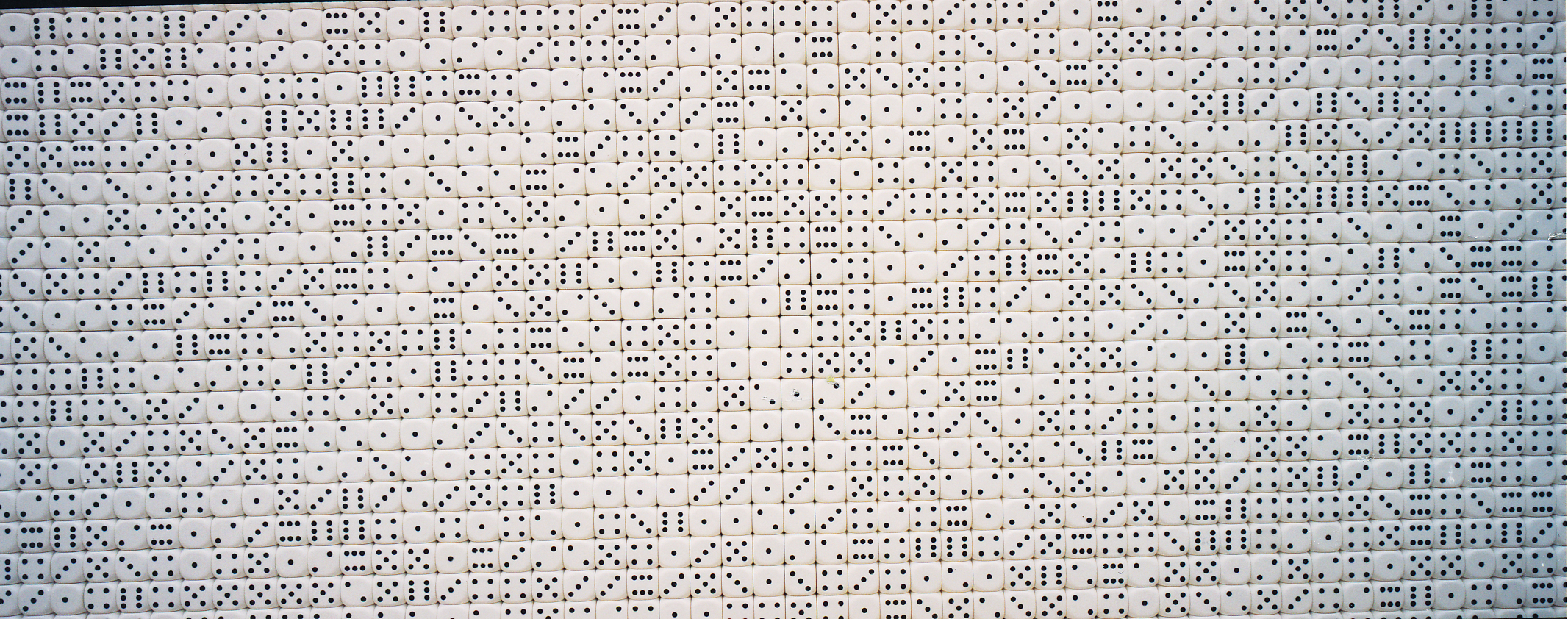
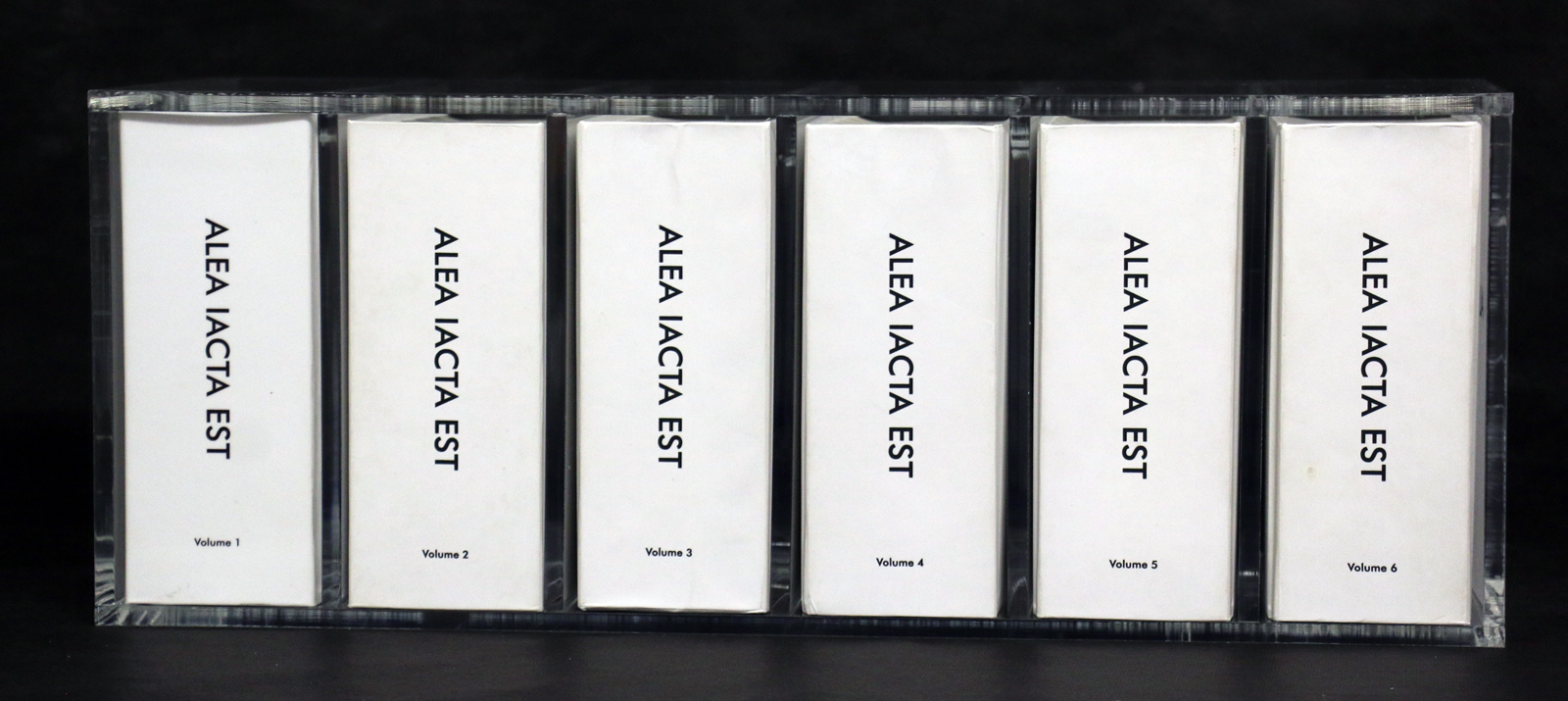
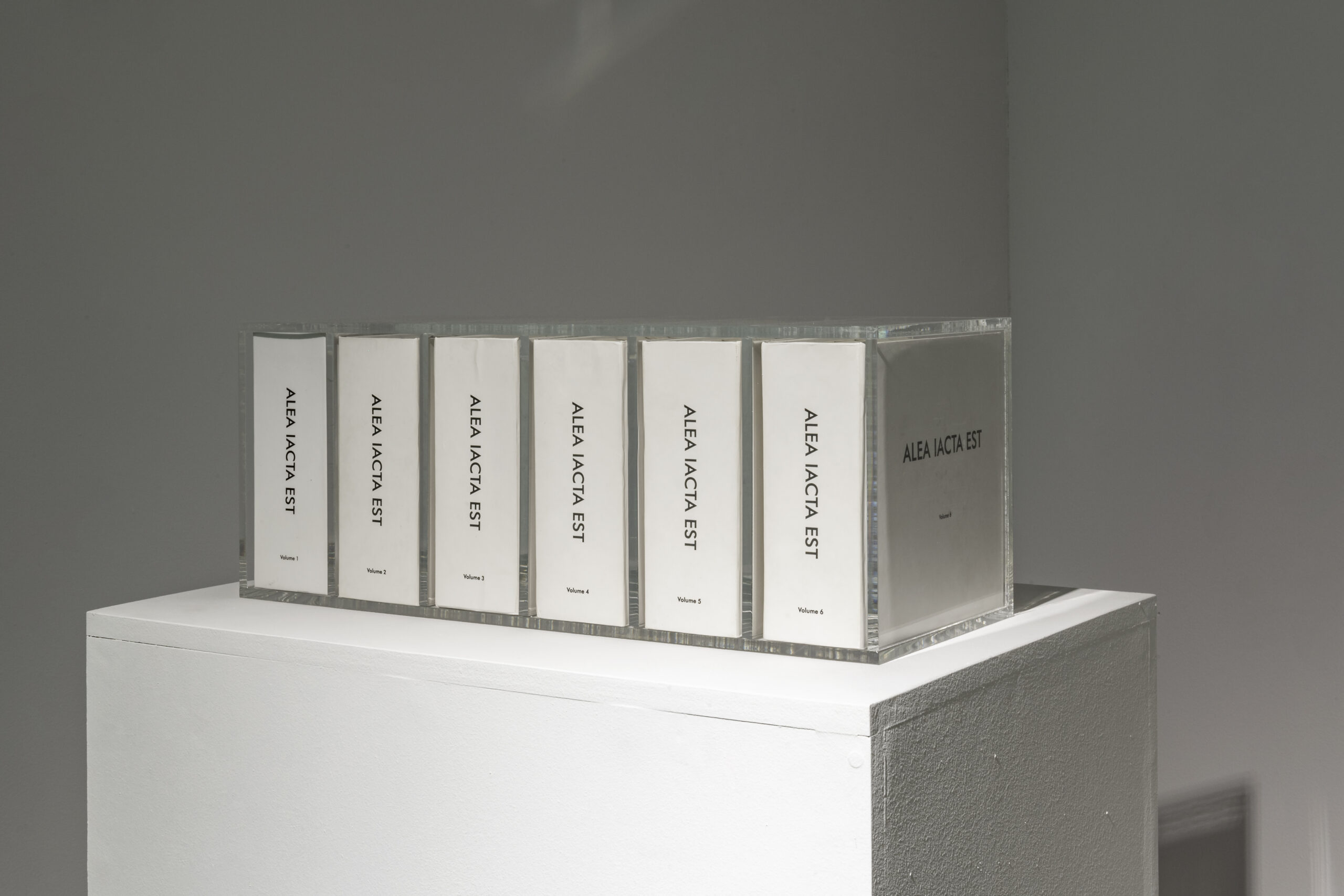
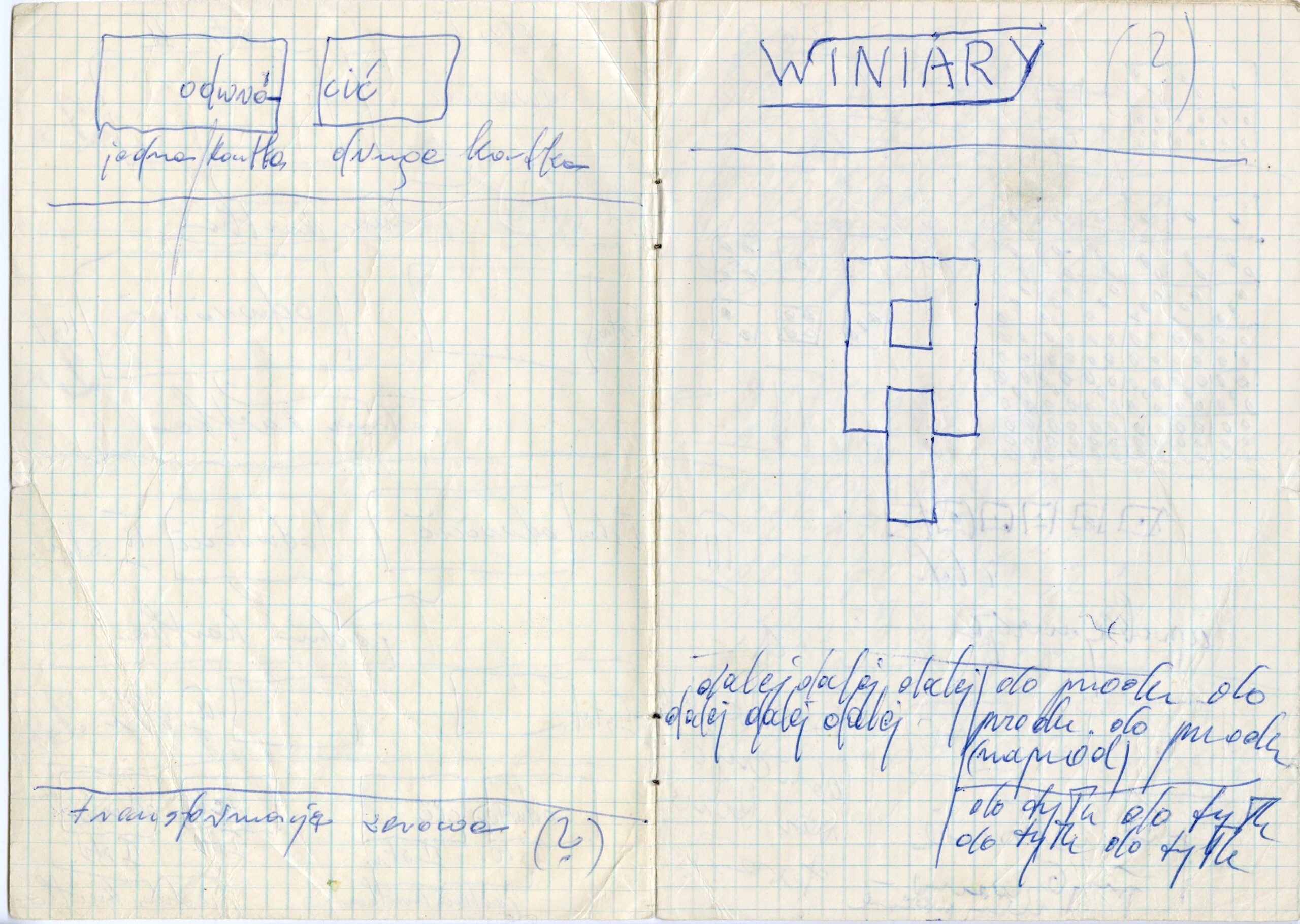
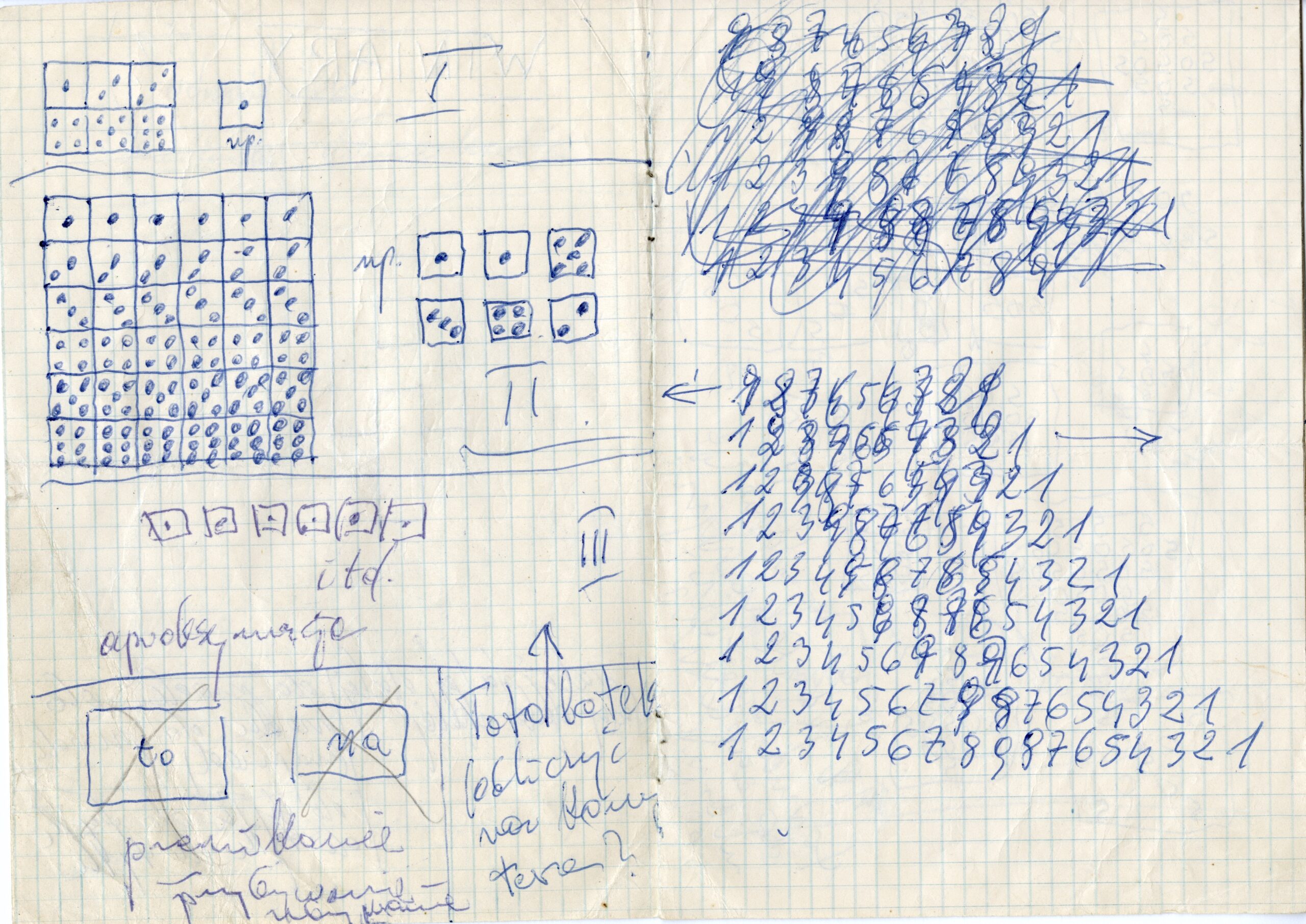
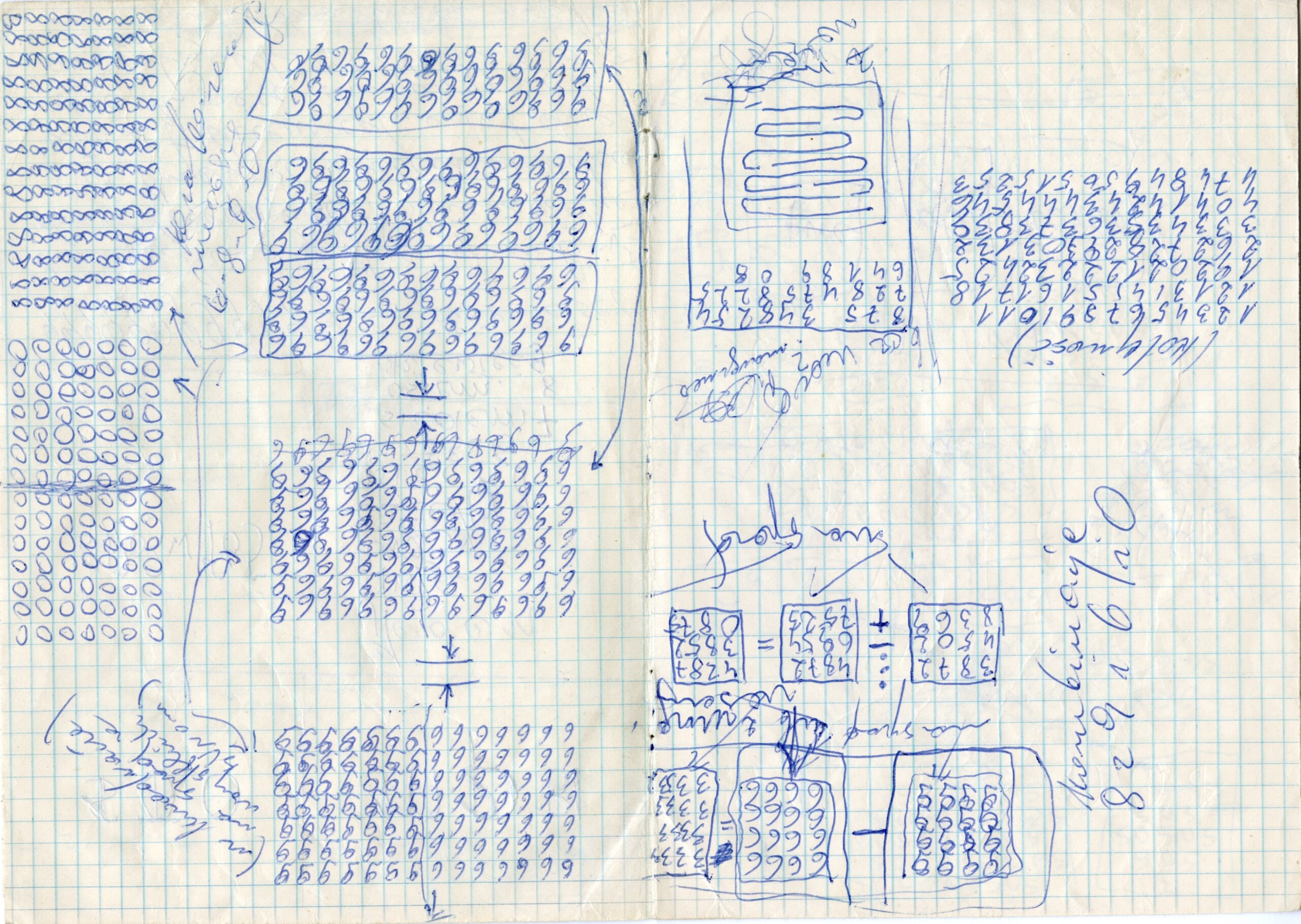
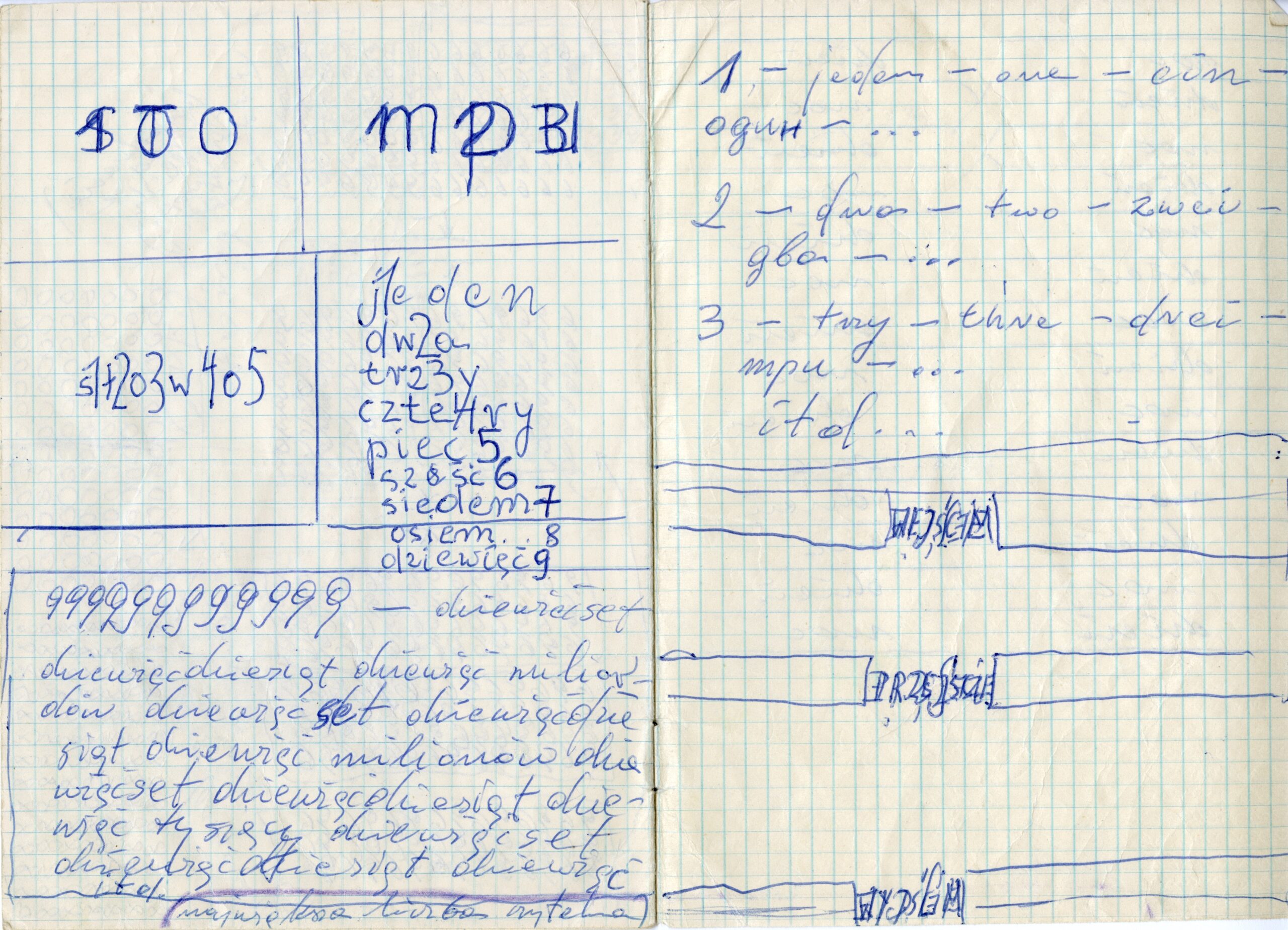
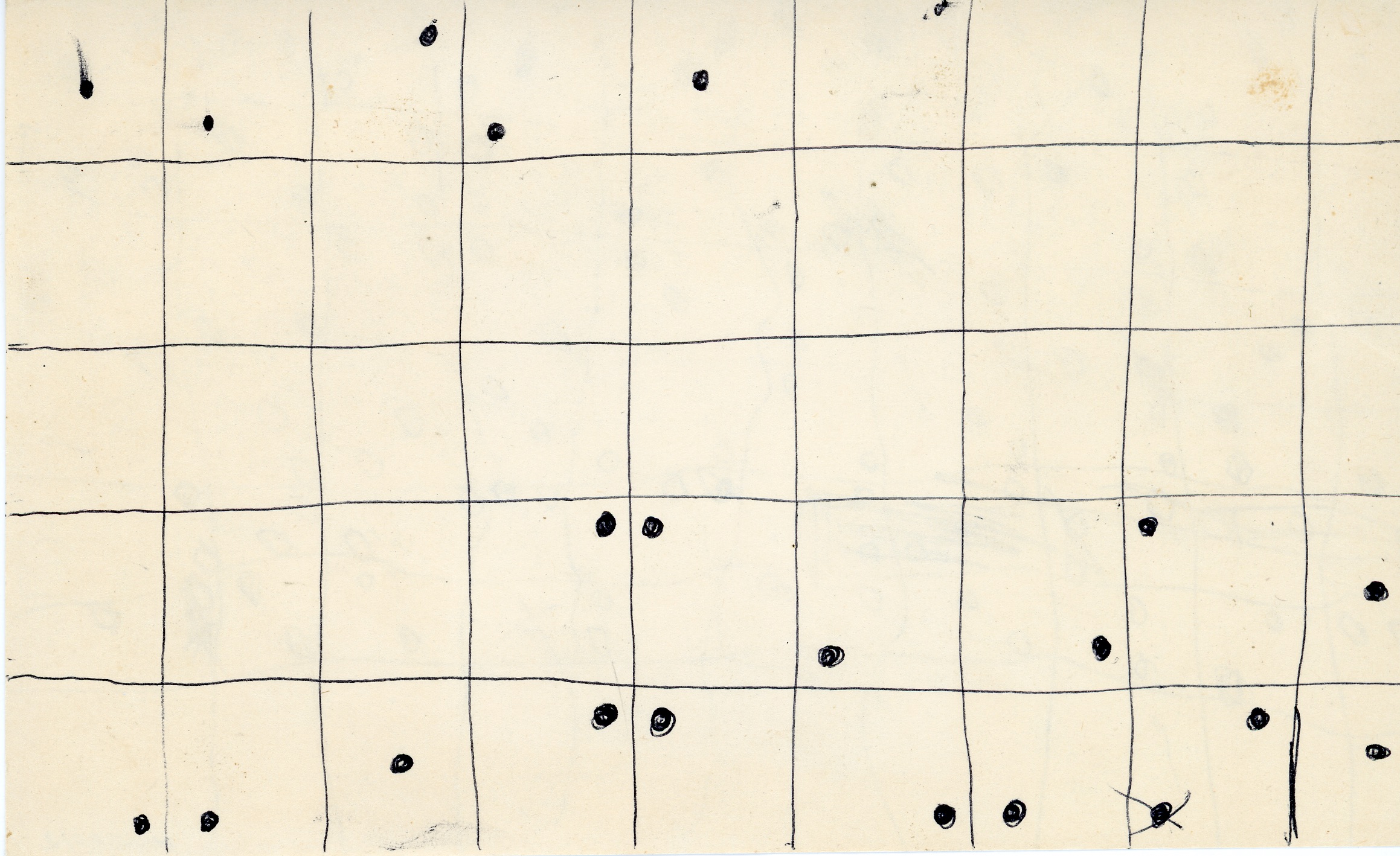
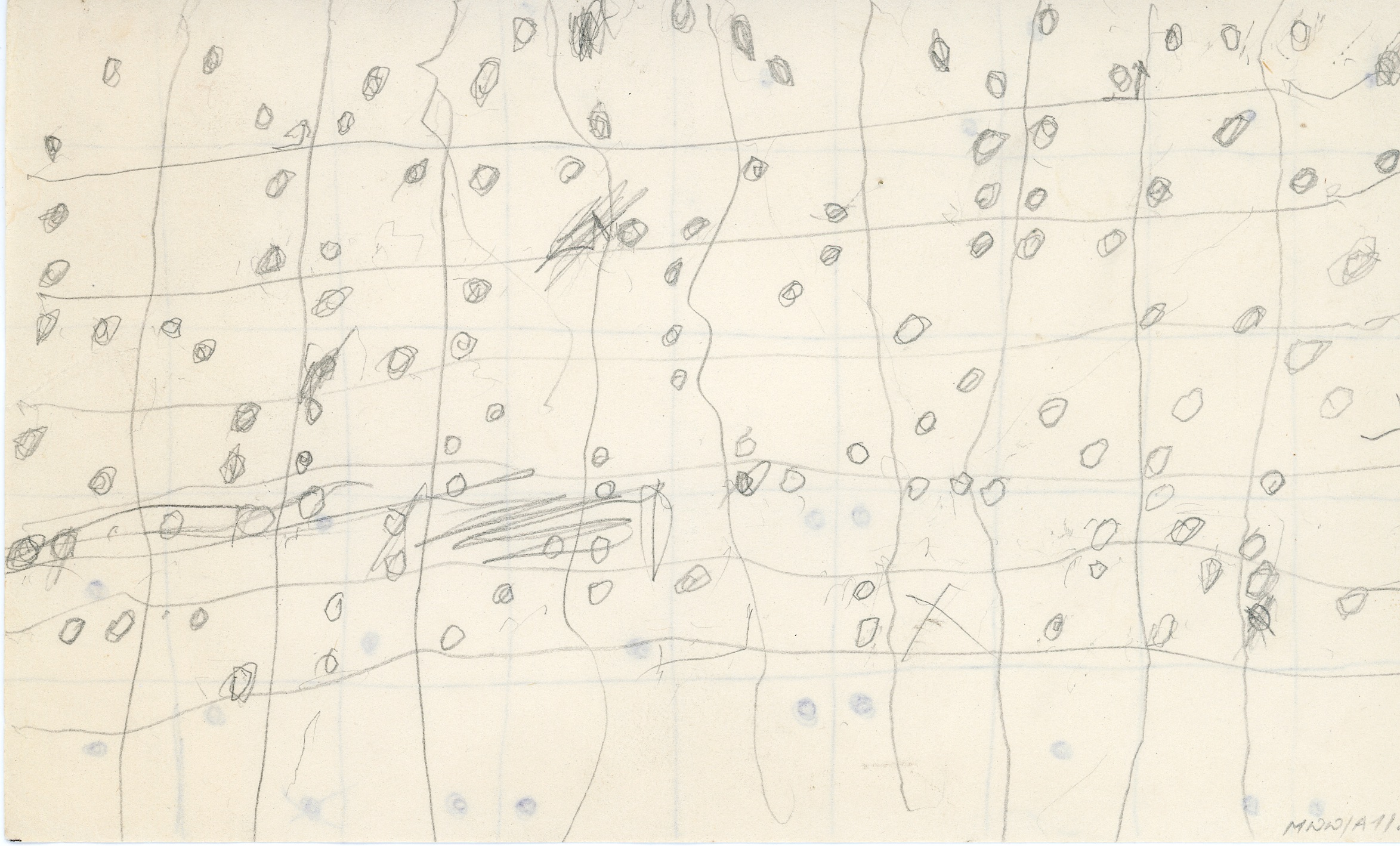
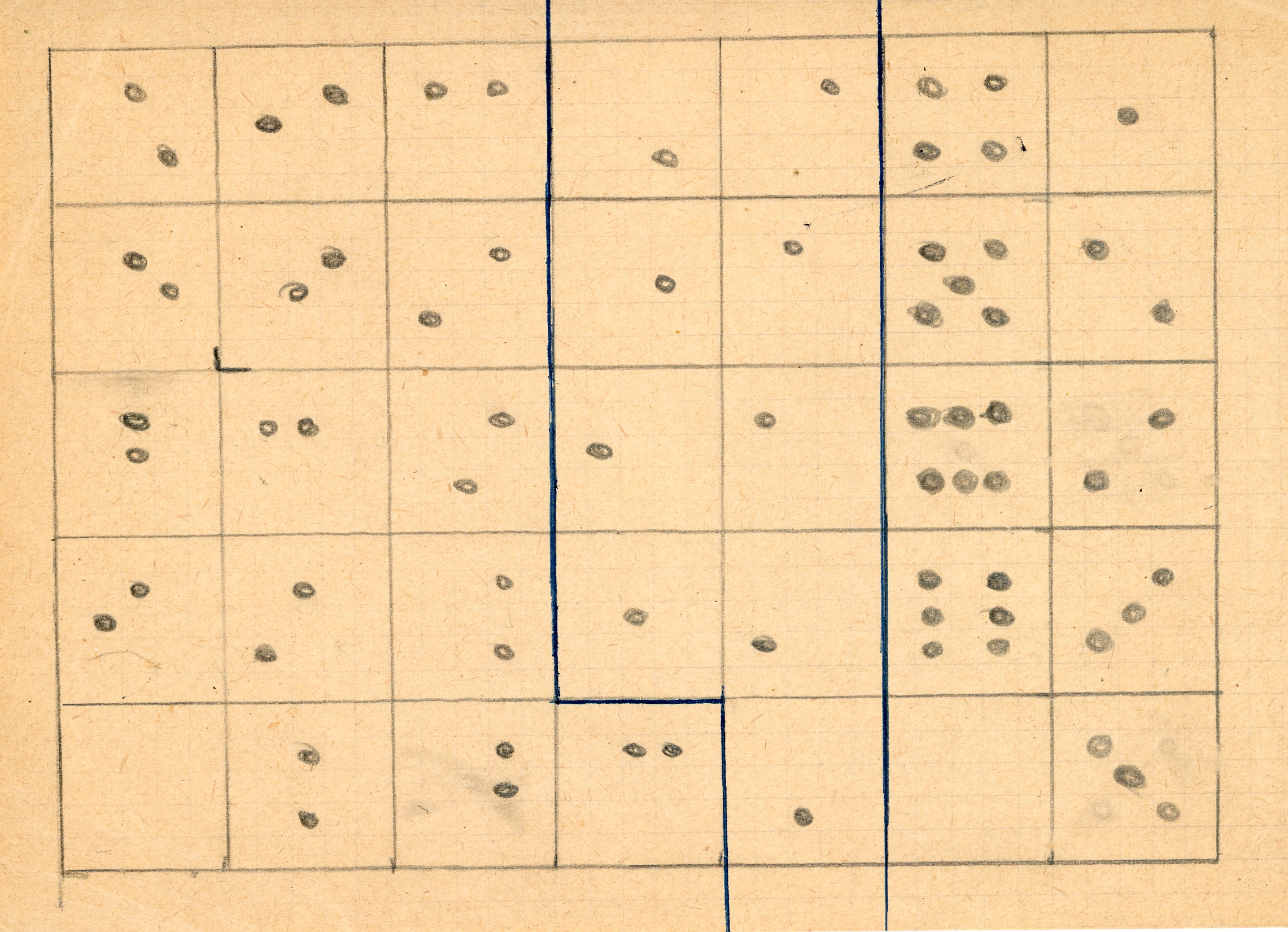
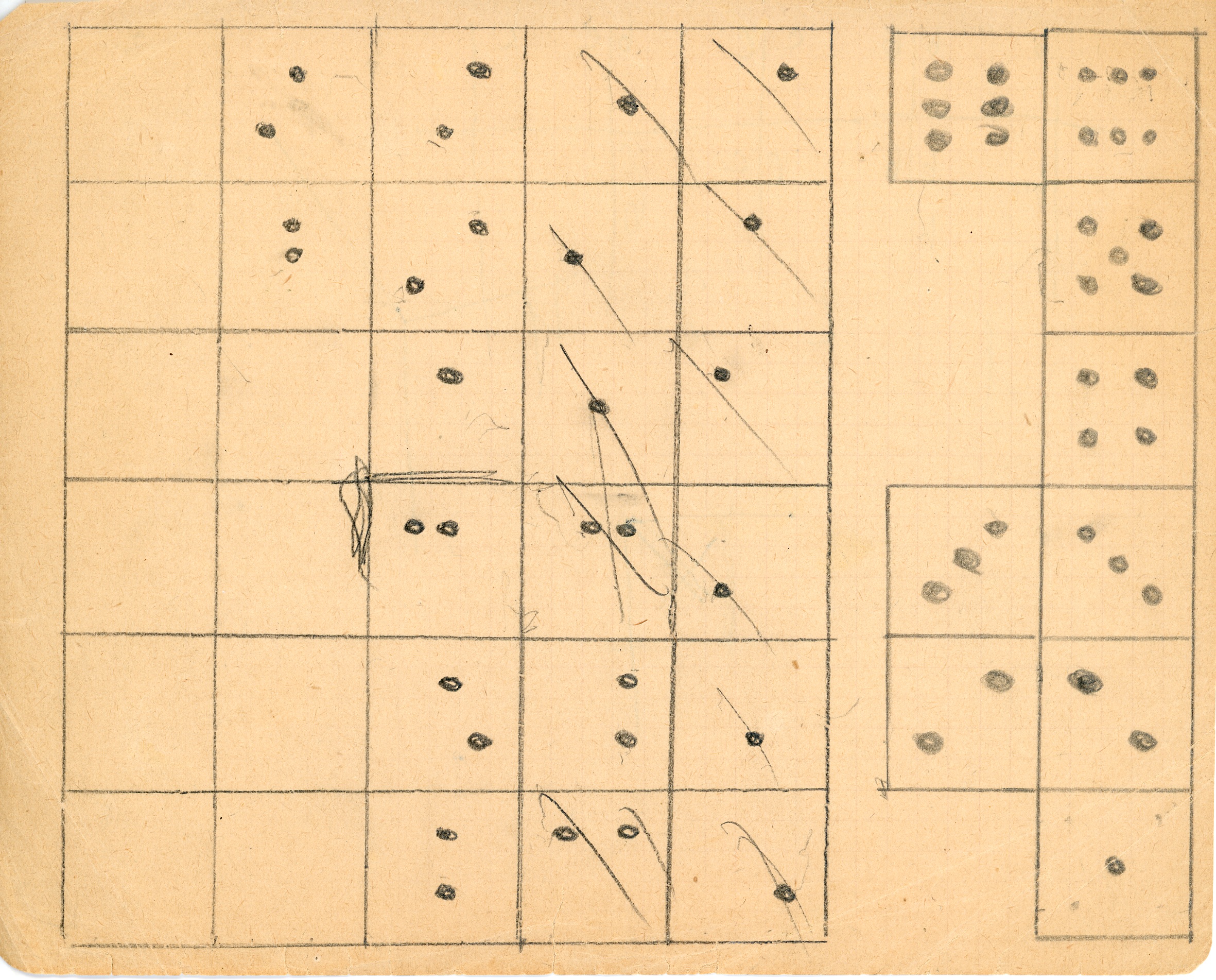
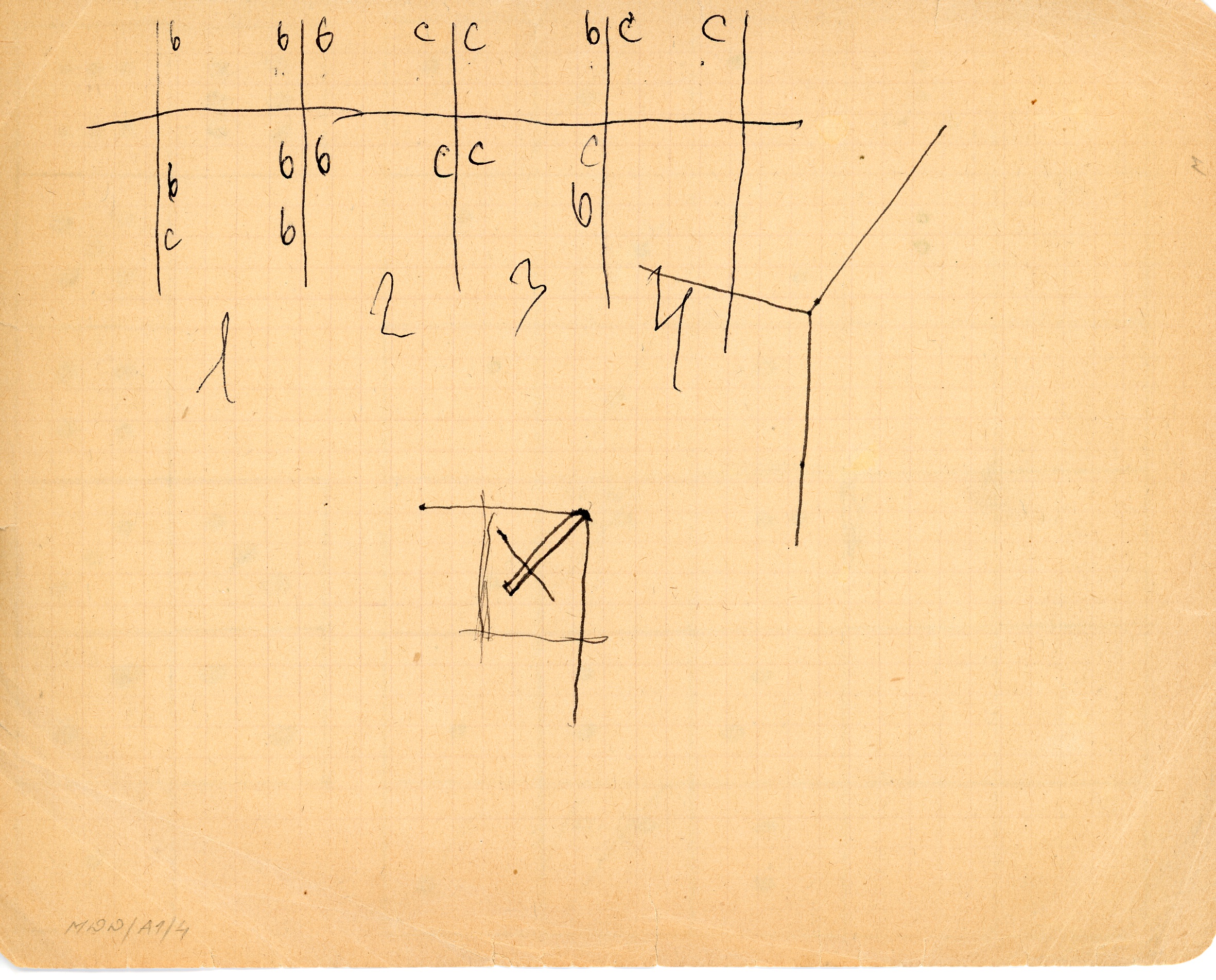
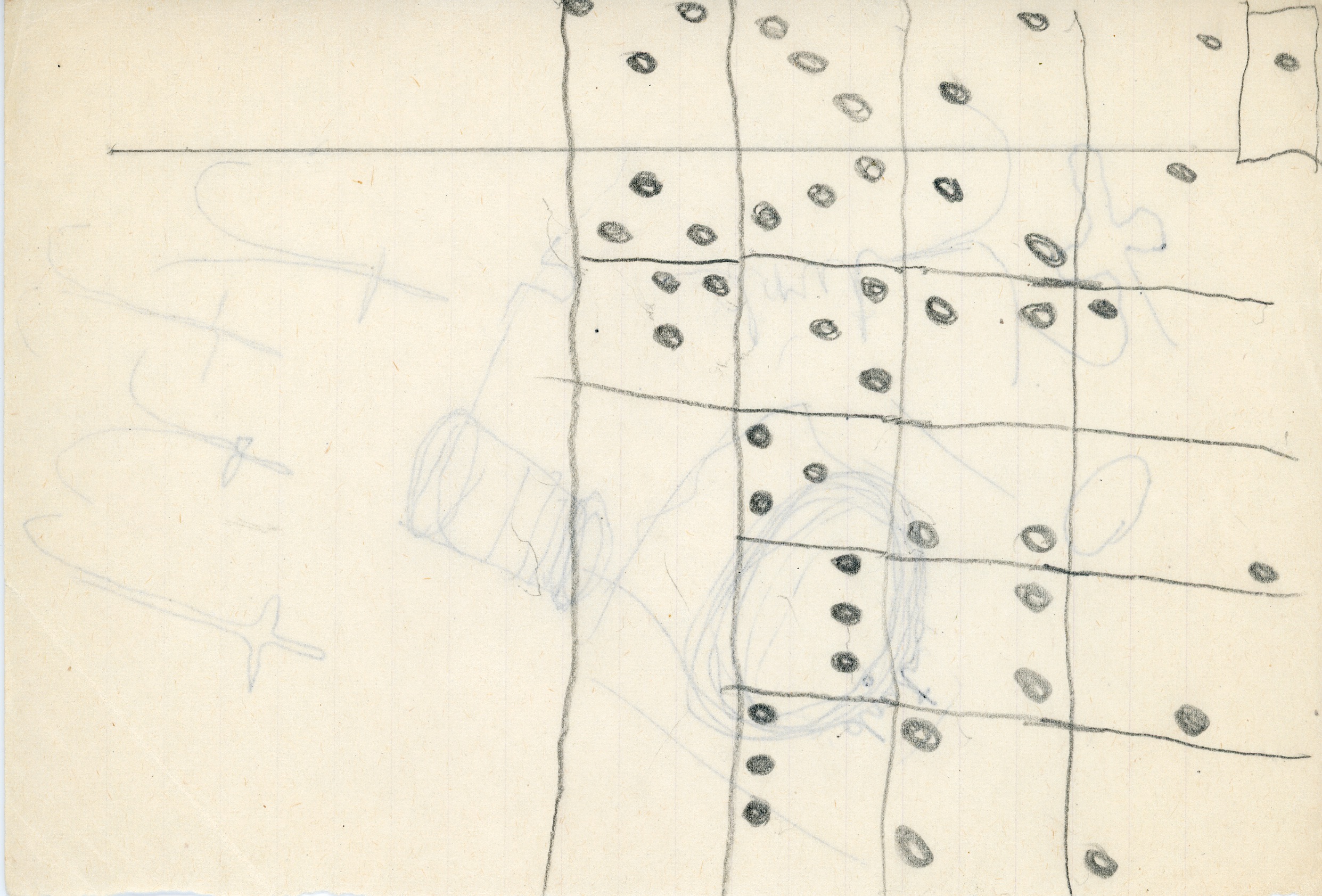
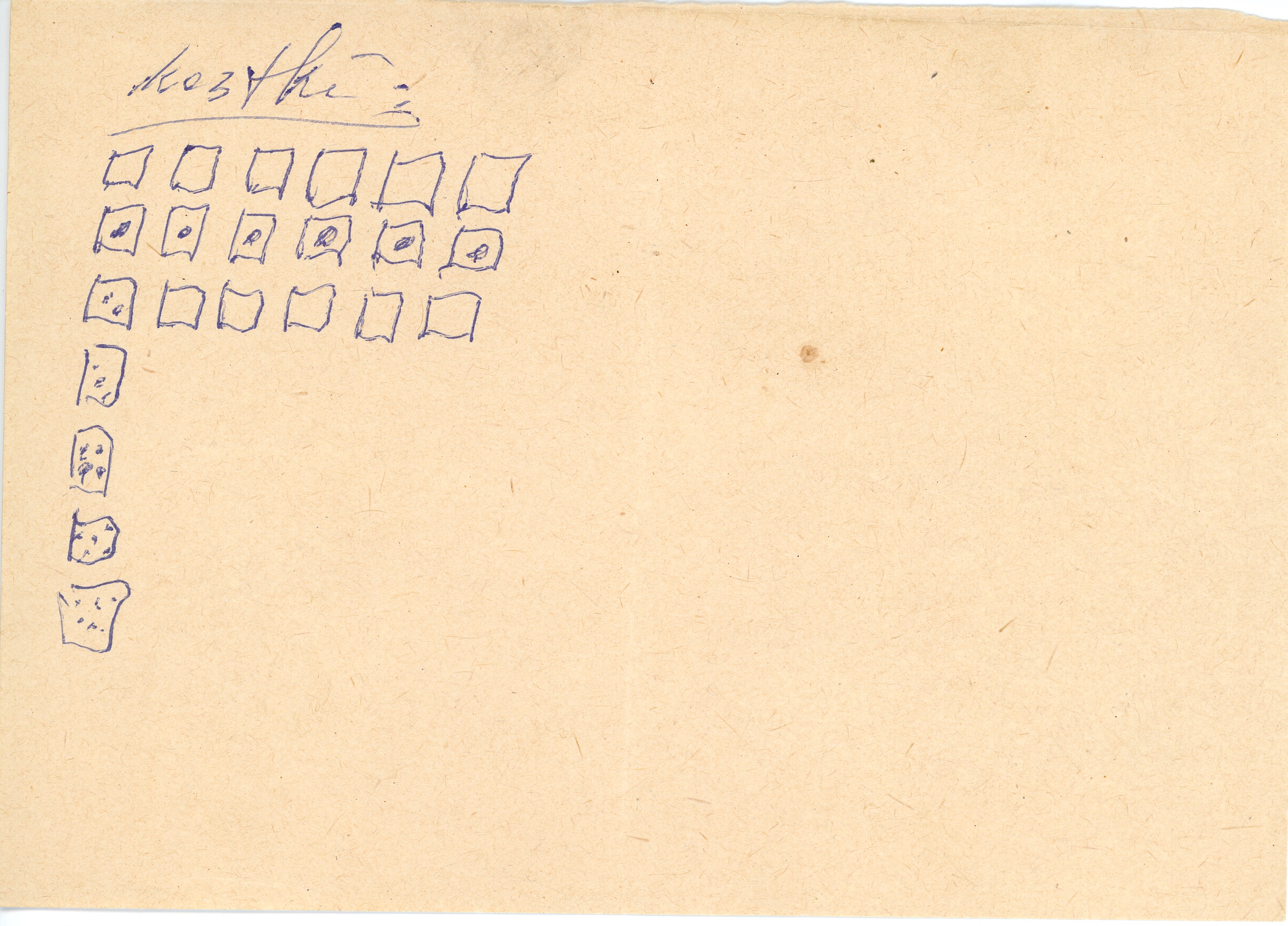
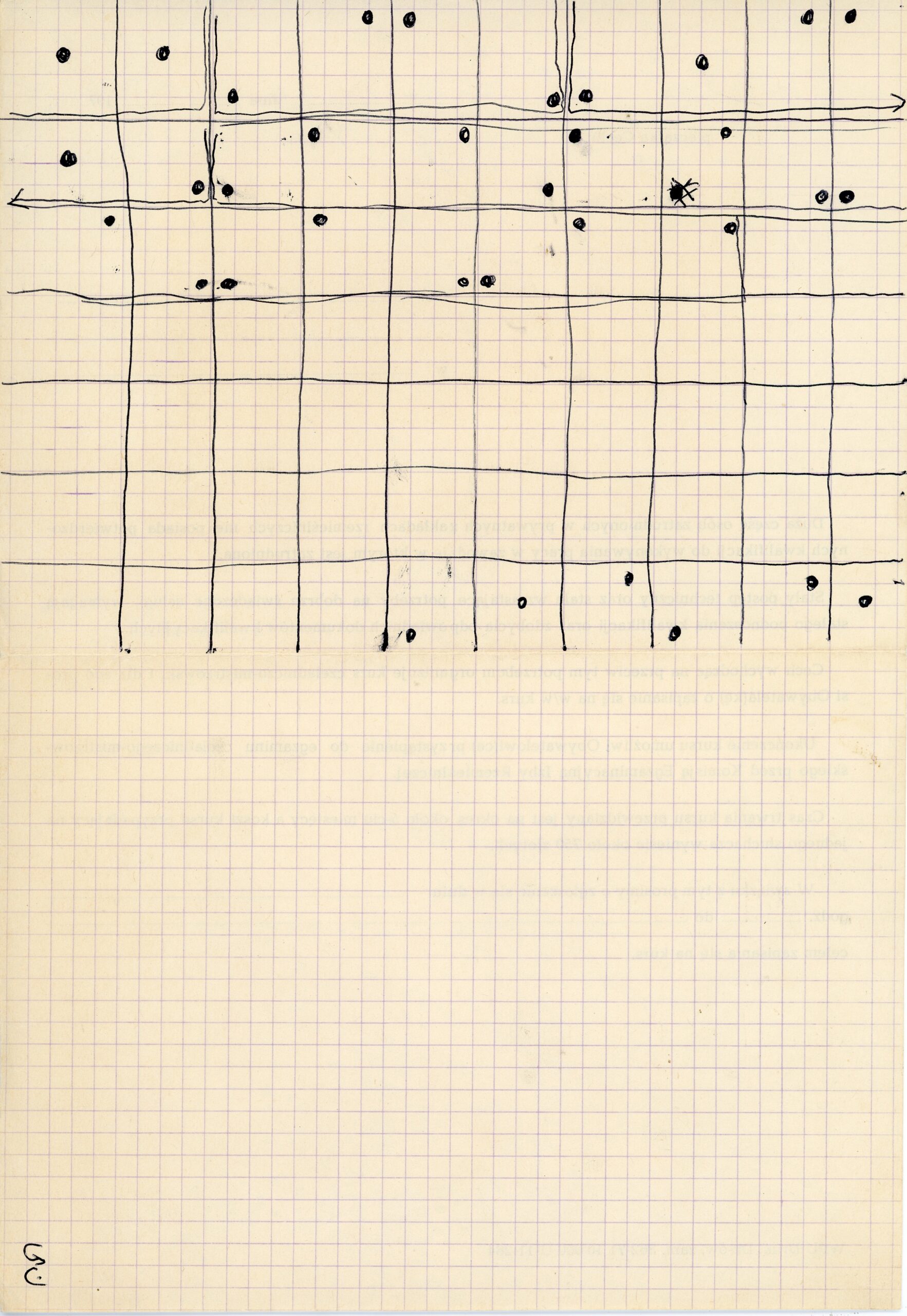
A systemic work created for the Polish Pavilion at the 50th Venice Biennale (2003). Referring to the language of mathematics and probability, the installation used dice marked with dots and was based on a permutation exhausting all possible results of throwing six dice. Over 46,000 possible numerical sequences were calculated by computer and illustrated by nearly 300,000 dice covering the walls of the vast pavilion. The installation was complemented by a pool table, a cup and dice, enabling viewers to generate their own sequences and search for their configurations on the walls. The work has an existential dimension: the act of throwing dice places the individual in a situation analogous to confronting fate or God. The chance of finding one’s own configuration among thousands of possibilities becomes central. Einstein’s dictum “God does not play dice,” expressed in opposition to the quantum theory of the structure of the Universe, that is, to chance as the principle of its existence, resonates strongly with the concept. Dróżdż himself described the work as “a game with oneself for nothing,” in contrast to the game for life with Death in Ingmar Bergman’s The Seventh Seal, which he cited as its inspiration. Photographically documented fragments of the pavilion walls with dice were also published in six accompanying volumes.
Related Objects